
Knowledge
Guides on cellulose ethers, MCC and specialty polymers: how they work, how to choose a grade and how to test it.
-
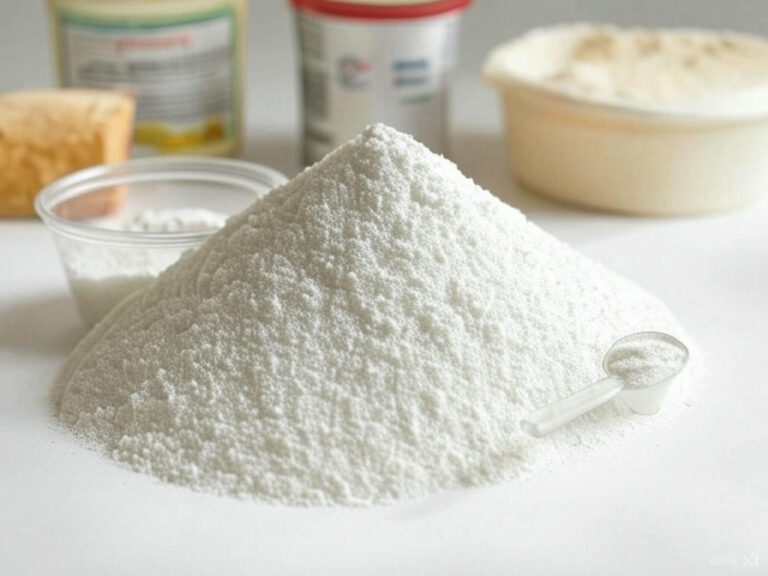
Carboxymethyl Cellulose Properties
Physical and chemical properties of sodium carboxymethyl cellulose: CAS number, appearance, solubility, DS, pH, viscosity ranges, bulk density, thermal behaviour and safety status.
-

Food Grade CMC
What is Food Grade CMC? Food Grade Carboxymethyl Cellulose (CMC), also known as cellulose gum, is a water-soluble polymer derived from cellulose, a natural…
-

Sodium Carboxymethyl Cellulose as an Industrial Binder
Sodium Carboxymethyl Cellulose (Na-CMC or CMC) is indeed a highly versatile and widely utilized industrial binder, a role it has earned through its unique…
-
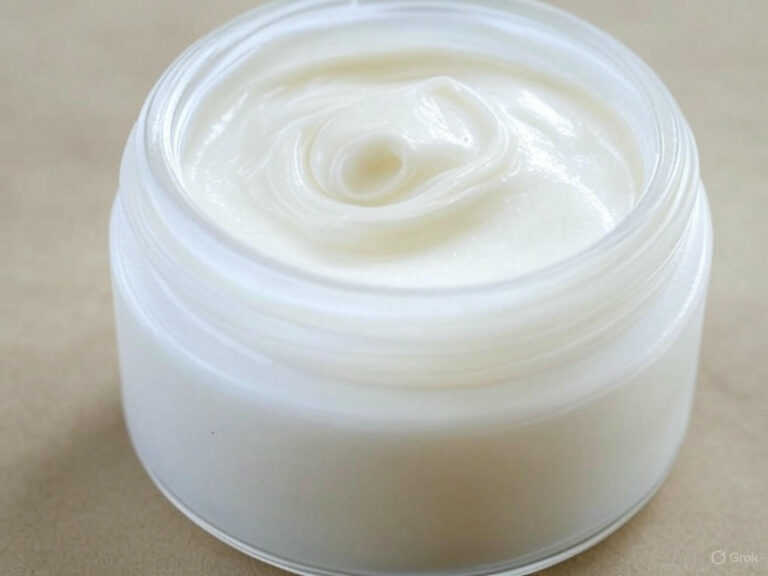
Sodium Carboxymethyl Cellulose as a Cosmetic Thickener
Sodium Carboxymethyl Cellulose in Cosmetics: Sodium Carboxymethyl Cellulose (CMC) is a versatile, water-soluble polymer synthesized by chemically modifying cellulose, a natural polysaccharide found in…
-
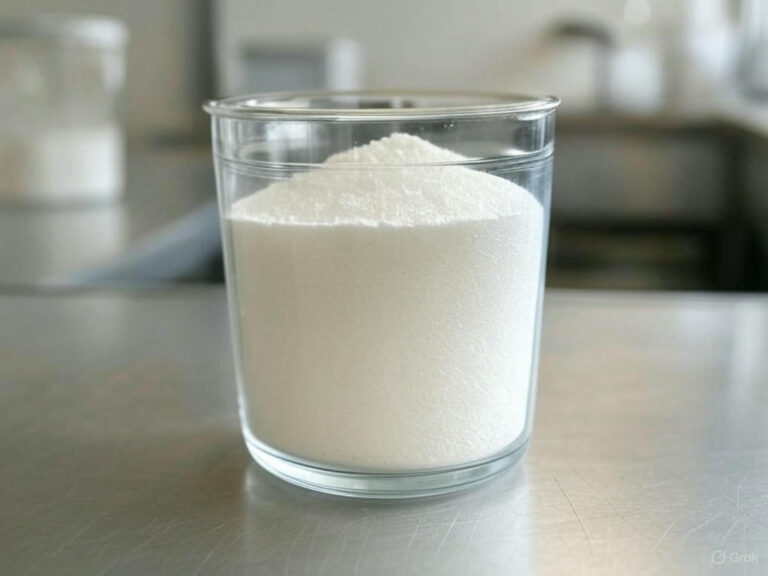
Sodium Carboxymethyl Cellulose as a Detergent Ingredient
Sodium Carboxymethyl Cellulose (often abbreviated as CMC or Na-CMC) is commonly used as an ingredient in detergents, though its primary role isn’t as a…
-
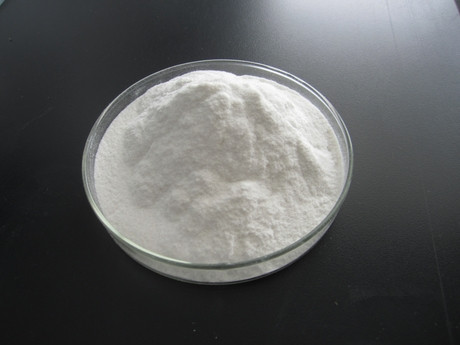
Sodium Carboxymethyl Cellulose Characteristics in Solution
How sodium CMC solutions behave: viscosity and concentration, shear thinning, temperature, pH range, salts and storage stability.