
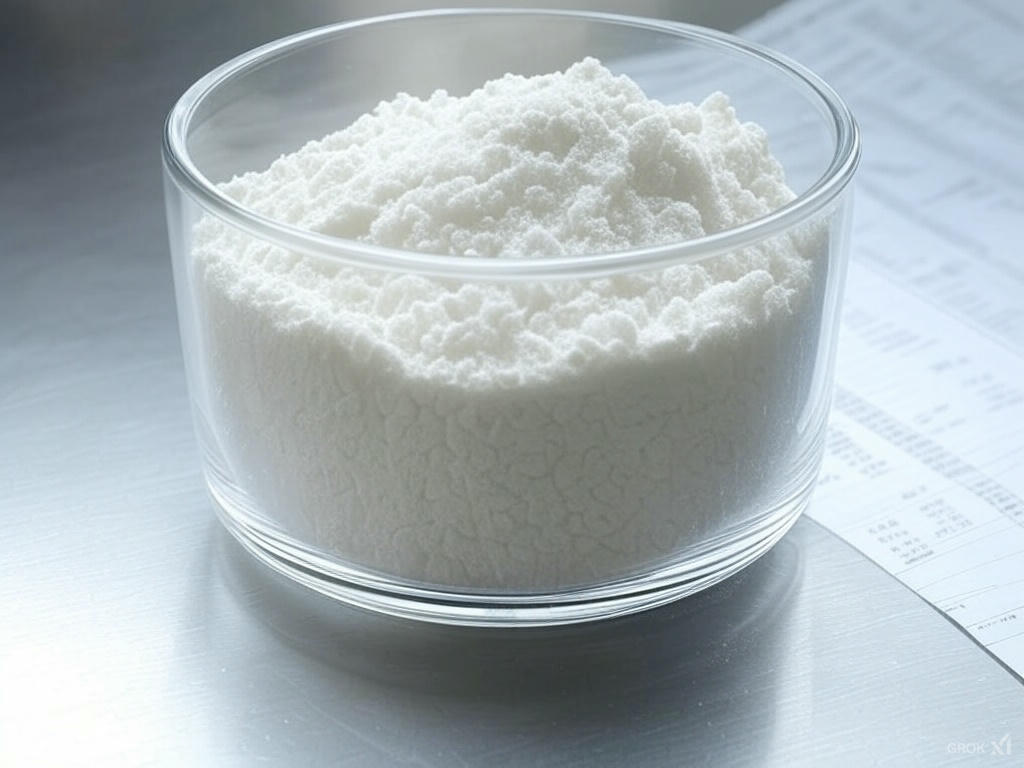
Ethyl cellulose (EC, CAS 9004-57-3) is a hydrophobic cellulose ether with 45.5–49.5% ethoxyl content: insoluble in water, soluble in ethanol, toluene and other organic solvents, and supplied in viscosity grades from 4 to 300 mPa·s. Our grade code is GAC-EC.
Product overview
Ethyl cellulose (EC) is a water-insoluble cellulose ether that dissolves in alcohols and other organic solvents. It forms tough, flexible films and is used for tablet coating and controlled release, inks, coatings and as a burn-out binder in ceramics and electronic pastes.
Specification
| Property | Value |
|---|---|
| Appearance | White to off-white powder |
| Ethoxyl content | 45.5–49.5% (w/w), by grade |
| Moisture | ≤ 3.0% |
| Ash | ≤ 0.4% |
| Bulk density | 300–500 g/L |
| Viscosity, 5% in toluene/ethanol 80:20 at 25 °C | 4–300 mPa·s, by grade |
| Glass transition | 130–133 °C |
| Chloride | < 0.1% |
| Heavy metals | ≤ 20 ppm |
| Arsenic | ≤ 3 ppm |
| Particle size | 90% passes 100 mesh |
Values are from our current product data. Confirm the exact grade and limits with the TDS and the COA of the lot you test.
Applications
- Pharmaceutical: film coating, taste masking and controlled-release matrices
- Inks and coatings: binder and film former
- Ceramics and electronics: temporary binder that burns out cleanly
- Food: E462 in permitted uses
Solubility of ethyl cellulose
| Solvent | Behaviour |
|---|---|
| Water, glycerol, propylene glycol | Insoluble |
| Ethanol, isopropanol | Soluble (standard ethoxyl grades) |
| Toluene/ethanol 80:20 | Soluble; reference solvent for viscosity |
| Ethyl acetate, MEK, chloroform | Soluble |
| Terpineol, butyl carbitol | Soluble; used for printing and electronic pastes |
| Aliphatic hydrocarbons | Poor alone; better in blends with alcohol |
Ethoxyl content (45.5–49.5%, by grade) affects which solvents a grade dissolves in. Tell us your solvent system and we confirm the grade.
Choosing a viscosity grade
Viscosity is measured on a 5% solution in toluene/ethanol 80:20 at 25 °C and ranges from 4 to 300 mPa·s across grades. Lower-viscosity grades let you run higher solids in coating and ink solutions; higher-viscosity grades give tougher films and stronger binding in pastes. Choose the ethoxyl level by your solvent system.
Ethyl cellulose vs other cellulose ethers
| Ethyl cellulose (EC) | HPMC | Methyl cellulose (MC) | |
|---|---|---|---|
| Water | Insoluble | Soluble in cold water | Soluble in cold water |
| Organic solvents | Soluble (ethanol, toluene, esters) | Limited | Limited |
| Film | Water-resistant barrier | Water-soluble | Water-soluble |
| Typical role in tablets | Barrier coating, controlled release | Immediate-release coating, matrix | Binder |
| Food code | E462 | E464 | E461 |
Before you order: what to check
- Ethoxyl content and viscosity (5% in toluene/ethanol 80:20) on the COA match your formula.
- Moisture ≤ 3.0% and ash ≤ 0.4%.
- Heavy metals ≤ 20 ppm and arsenic ≤ 3 ppm, plus any pharmacopoeia or food-additive requirements of your market.
- Run a small trial in your own solvent system before scaling up.
Packing and documents
25 kg multi-layer paper bags with a moisture-proof lining, or fibre drums; other packing on request. Store sealed in a cool, dry place (5–30 °C) away from moisture and heat. Shelf life: at least 24 months under proper storage. TDS, SDS and a representative COA are available for every grade, and each lot ships with its COA. Request documents or a sample.
Download (2026 revision): Technical data sheet (TDS, PDF) · Safety data sheet (SDS, PDF)
Related products
Related guides
FAQ
Is EC water-soluble?
No. EC dissolves in alcohols, toluene and similar solvents; it is used where water resistance is needed.
What is ethyl cellulose used for?
Tablet film coating and controlled-release matrices, binders for inks and lacquers, and temporary binders in ceramic and electronic pastes that burn out cleanly. It is also permitted as a food additive (E462).
What decides the price of ethyl cellulose?
Grade (ethoxyl and viscosity), pharmacopoeia requirements, packing and order size. Send your grade and quantity for a quote.
Is ethyl cellulose soluble in ethanol?
Yes. EC dissolves in ethanol and isopropanol, in toluene/ethanol blends (the reference solvent for viscosity) and in esters and ketones such as ethyl acetate and MEK.
What is the CAS number of ethyl cellulose?
CAS 9004-57-3. As a food additive it is E462.
What is the glass transition temperature of ethyl cellulose?
About 130–133 °C for our grades.