
Product overview
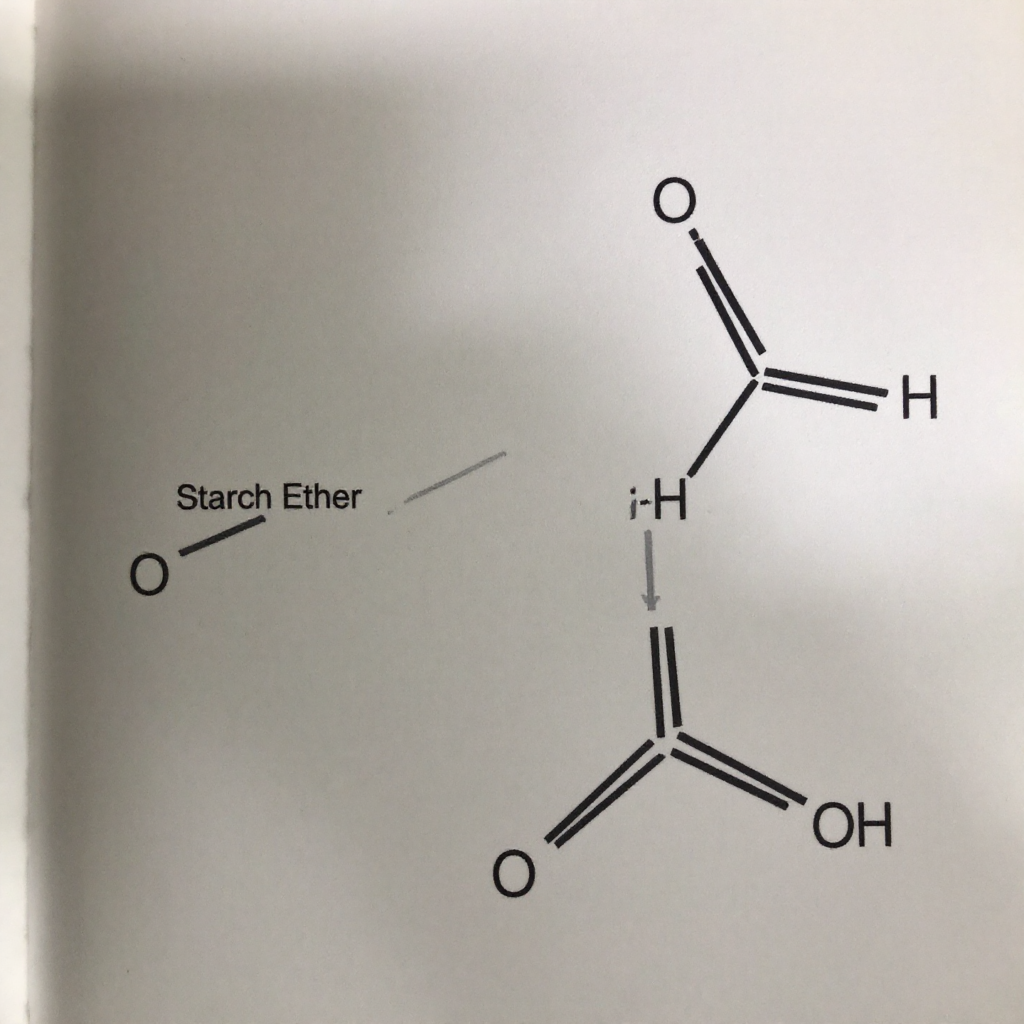
Hydroxypropyl starch ether (HPS) is a modified starch used with cellulose ethers in dry-mix mortars. At low dosage it raises sag resistance in tile adhesives and improves workability and consistency in plasters and renders.
Specification
| Property | Value |
|---|---|
| Appearance | White or beige powder |
| Solubility | Soluble in cold water |
| Moisture | ≤ 12% |
| pH, 1% solution | 5–11 |
Values are from our current product data. Confirm the exact grade and limits with the TDS and the COA of the lot you test.
Applications
- Tile adhesives: sag (slip) resistance
- Gypsum and cement plasters: consistency and workability
- Self-levelling compounds and spray mortars: rheology support
What starch ether does in a dry mortar
Hydroxypropyl starch ether raises the yield stress of a fresh mortar. A tile pressed into a starch-ether-modified adhesive stays where it is placed instead of sliding down the wall, and plasters can be applied thicker without sagging. It works alongside a cellulose ether: HPMC or MC gives water retention and open time, and starch ether adds the stiffness.
| Product | Role of starch ether | Usual partner |
|---|---|---|
| Cement tile adhesive | Slip (sag) resistance, easier trowelling | HPMC, RDP |
| Gypsum machine plaster | Consistency, thicker layers | MC or HPMC |
| Wall putty and skim coat | Smoother finish, less sag | HPMC |
| Self-levelling compounds | Stability, less segregation | Low-viscosity cellulose ether |
How to choose a grade
Add 0.01–0.1% of the dry mix together with HPMC or MC and adjust the cellulose ether dosage after testing.
Packing and documents
25 kg multi-wall paper bags with an inner PE liner. Other packing is agreed per order. TDS, SDS and a representative COA are available for every grade, and each lot ships with its COA. Request documents or a sample.
Download (2026 revision): Technical data sheet (TDS, PDF) · Safety data sheet (SDS, PDF)
Related products
Related guides
FAQ
Can starch ether replace HPMC?
No. It works alongside a cellulose ether and lets you fine-tune sag resistance and workability.
Can starch ether replace HPMC?
No. It complements a cellulose ether. Many producers lower the HPMC dosage slightly after adding starch ether, then confirm water retention and open time.
Does starch ether affect setting?
At normal dosage the effect is small. Check setting time and open time in your own formula, especially at high dosage.