Short answer: hydroxyethyl cellulose (HEC) is rarely used as a direct food ingredient. It is not on the EU list of authorised food additives (it has no E number), and it is not listed as a direct food additive in the United States. When a food needs a cellulose-based thickener or stabiliser, manufacturers normally use CMC (E466), methyl cellulose (E461), HPMC (E464) or microcrystalline cellulose (E460).
What HEC is
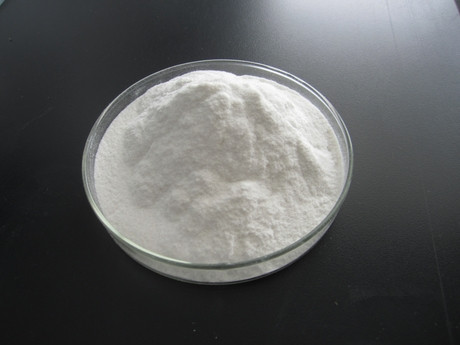
Hydroxyethyl cellulose (HEC, CAS 9004-62-0) is a non-ionic, water-soluble cellulose ether made by reacting alkali cellulose with ethylene oxide. It thickens, suspends, binds, forms films and holds water. Those properties make it a standard ingredient in latex paints, personal care products, construction materials and drilling fluids. See HEC applications.
Regulatory status of cellulose ethers in food
| Cellulose derivative | EU food additive number | Typical food use |
|---|---|---|
| Microcrystalline cellulose | E460(i) | Anti-caking, bulking, fat replacement |
| Methyl cellulose (MC) | E461 | Binding and gelling on heating (meat alternatives, bakery) |
| Ethyl cellulose (EC) | E462 | Coating and carrier |
| Hydroxypropyl methyl cellulose (HPMC) | E464 | Thickening, gluten-free bakery, capsules |
| Sodium carboxymethyl cellulose (CMC) | E466 | Thickening and stabilising drinks, dairy, sauces, ice cream |
| Hydroxyethyl cellulose (HEC) | None | Not authorised as a food additive in the EU |
In the US, HEC appears in FDA regulations for food-contact materials, such as packaging adhesives, rather than as an ingredient added to food. Rules differ by country, so always confirm the status for your market before using any cellulose ether in a food.
Why HEC shows up in “food” discussions
- Food-contact materials: HEC is used in some adhesives, coatings and paper used for packaging.
- Pharmaceuticals and personal care: HEC is used in oral-care products, eye drops and topical gels, which are regulated separately from food.
- Confusion with similar names: hydroxypropyl cellulose (E463), hydroxypropyl methyl cellulose (E464) and ethyl methyl cellulose (E465) are permitted food additives with similar-sounding names.
Which cellulose ether to use instead
| You need | Use |
|---|---|
| Thickening and stabilising drinks, dairy or sauces | Food-grade CMC (E466) |
| Heat-set binding in meat alternatives or bakery | Methyl cellulose (E461) |
| Anti-caking or bulking | MCC (E460) |
| Stable suspensions in drinks | Colloidal MCC |
Our HEC is an industrial grade for paints, construction, personal care and drilling. For food applications we supply the food-grade products above with the matching documents.
FAQ
Is hydroxyethyl cellulose used in food?
Rarely. HEC is not an authorised food additive in the EU (it has no E number) and is not listed as a direct food additive in the US. Food manufacturers use CMC (E466), MC (E461), HPMC (E464) or MCC (E460) instead.
What is the difference between HEC and CMC in food?
CMC is an approved food additive (E466) and is widely used to thicken and stabilise foods. HEC is non-ionic and very salt-tolerant, but it is used mainly in paints, personal care and drilling rather than food. See HEC vs CMC.
Is hydroxyethyl cellulose safe?
HEC is widely used in cosmetics, oral-care and pharmaceutical products. Its suitability for any food use depends on the rules of your market, so check local regulations first.
What is HEC used for?
Thickening latex paints, shampoos and gels; water retention in cement-based materials; and viscosity and fluid-loss control in drilling and completion fluids.