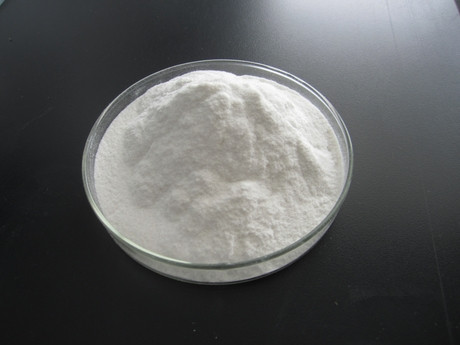
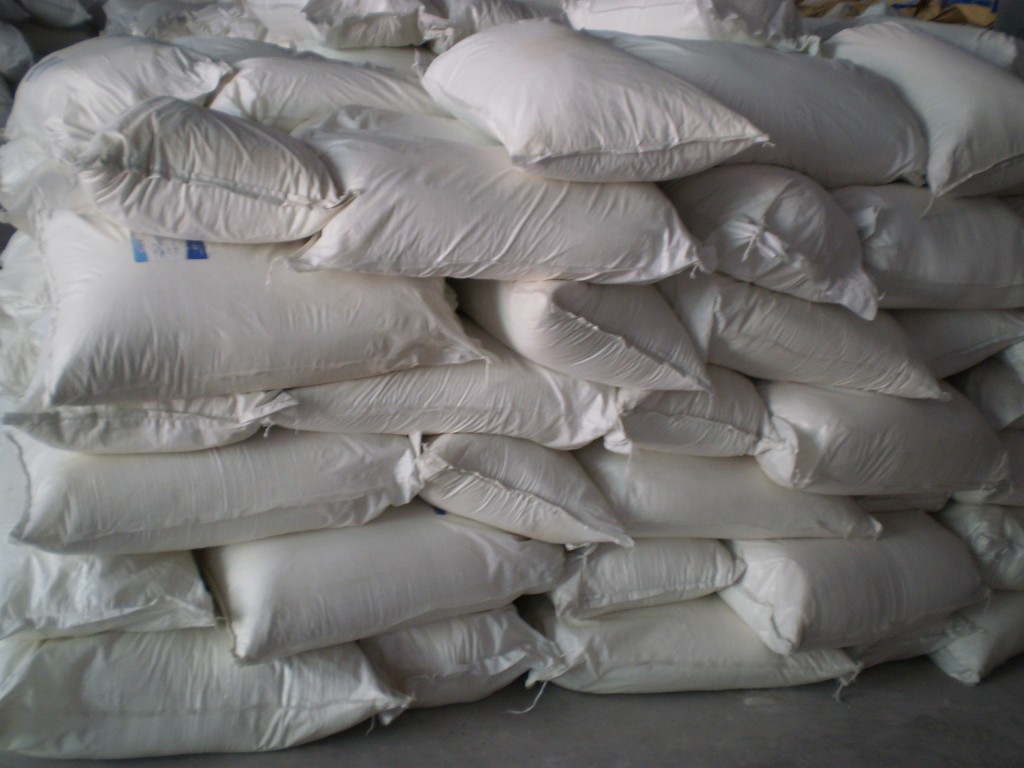
Polyanionic cellulose (PAC) is a highly substituted carboxymethyl cellulose used in water-based drilling fluids to reduce fluid loss and, in high-viscosity grades, to build viscosity. Its higher degree of substitution makes it more tolerant of salt and hardness than standard CMC, so it is used in fresh-water, sea-water and brine muds.
LV and HV grades
- PAC-LV controls fluid loss with little viscosity build-up. Use it when the mud is already viscous or weighted.
- PAC-HV controls fluid loss and raises viscosity and yield point. Use it in low-solids muds that need carrying capacity.
Typical specification
From our current PAC data. Confirm with the COA of the lot you test.
| Grade | Degree of substitution | Viscosity, 2% (NDJ-79, 25 °C) | Moisture | pH |
|---|---|---|---|---|
| PAC-HV-1 | ≥ 0.85 | ≥ 1,600 mPa·s | ≤ 10% | 6.5–8.5 |
| PAC-HV-2 | ≥ 0.90 | ≥ 1,600 mPa·s | ≤ 9% | 6.5–8.5 |
| PAC-LV-1 | ≥ 0.95 | 50–100 mPa·s | ≤ 10% | 6.0–8.5 |
| PAC-LV-2 | ≥ 0.95 | 80–100 mPa·s | ≤ 10% | 6.0–8.5 |
How PAC is tested
Drilling-fluid performance is measured in prepared muds, not only in water. Typical checks are API fluid loss and rheology (plastic viscosity and yield point) in fresh water, sea water and saturated salt water at a stated PAC loading. Ask us which test conditions our COA uses, and run the same test with your base fluid.
Choosing a grade
- Define the base fluid: fresh water, sea water, KCl or saturated NaCl.
- Decide whether you need viscosity (HV) or only fluid-loss control (LV).
- Test 2–3 loadings against your current additive and compare fluid loss, PV and YP.
- Check temperature stability at your bottom-hole temperature.
Related products
FAQ
What is the difference between PAC and CMC?
Both are carboxymethyl celluloses. PAC has a higher degree of substitution and a more uniform substitution pattern, which gives better salt tolerance and fluid-loss control in brines.
Can PAC be used in completion fluids?
Yes. PAC is used to give viscosity and low fluid loss in brine completion fluids. Test it in the actual brine and density you use.