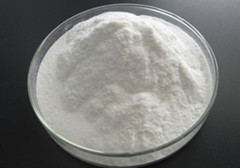
Food-grade microcrystalline cellulose (MCC, INS 460(i)) is specified by JECFA, the joint FAO/WHO expert committee on food additives. This page lists the main tests and explains what each one tells you. Pharmaceutical grades are tested to pharmacopoeia monographs; ask us for the grade-specific TDS.
Main JECFA tests
| Test | JECFA limit | What it tells you |
|---|---|---|
| Assay (as cellulose, dry basis) | ≥ 97% | Purity of the cellulose |
| Loss on drying (105 °C, 3 h) | ≤ 7.0% | Moisture content |
| pH | 5.0–7.5 | Residual acid or alkali from production |
| Sulfated ash | ≤ 0.05% | Inorganic residue |
| Water-soluble substances | ≤ 0.24% | Soluble by-products left after washing |
| Starch | Not detectable | No starch adulteration |
| Lead | ≤ 2 mg/kg | Heavy-metal safety |
Limits as shown on our MCC product page. Always compare against the current JECFA monograph and the COA of the lot.
Reading a COA
- Check that every test above is reported, with the method.
- Compare particle size and bulk density with the grade you ordered (PH101, PH102 and so on).
- For pharmaceutical use, ask which pharmacopoeia the lot was tested to.
Related
FAQ
What is the JECFA limit for loss on drying of MCC?
Not more than 7.0% at 105 °C for 3 hours.
What is INS 460(i)?
The international numbering system code for microcrystalline cellulose; powdered cellulose is 460(ii).
Do you supply pharmaceutical-grade MCC?
Yes; pharmacopoeia data are given in the grade-specific TDS, available on request.