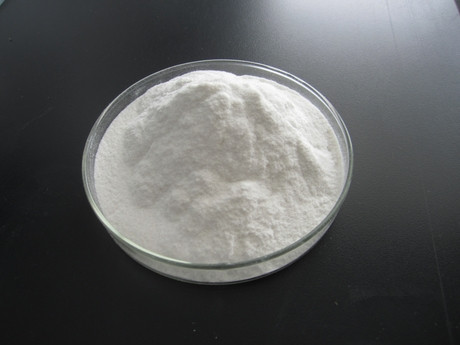
Microcrystalline cellulose (MCC) is used in food as E460(i). It is not digested and adds no calories, so it is used to add bulk and texture, keep powders free-flowing and stabilise products through freezing and heating. This page explains its main functions in food.
Functions of MCC in food
| Function | How it works | Typical foods |
|---|---|---|
| Anti-caking | Coats particles and absorbs surface moisture | Shredded cheese, powdered mixes |
| Bulking and fat replacement | Adds body without calories | Reduced-fat dressings, spreads, bakery |
| Texture and stability | Forms a network that holds water and keeps texture through freeze–thaw | Frozen desserts, sauces |
| Suspension (colloidal MCC) | MCC co-processed with CMC forms a gel network that keeps particles suspended | Cocoa and protein drinks, plant-based milks |
| Tableting | Compressible filler and binder | Vitamin and supplement tablets |
Colloidal MCC is a separate grade: see the colloidal MCC product page.
Regulatory and quality points
- Food-grade MCC is specified by JECFA; see the JECFA food-grade tests.
- Check the permitted use and labelling rules in your market.
- Ask for a COA for every lot.
FAQ
What is E460 in food?
E460 is cellulose: E460(i) is microcrystalline cellulose and E460(ii) is powdered cellulose.
Why is MCC added to shredded cheese?
As an anti-caking agent, to keep the shreds from sticking together.
What is colloidal MCC?
MCC co-processed with CMC. It disperses in water to form a gel network that stabilises beverages and sauces.