
Knowledge
Guides on cellulose ethers, MCC and specialty polymers: how they work, how to choose a grade and how to test it.
-

Sodium Carboxymethyl Cellulose Application
Sodium CMC applications by industry, with the grade parameters (viscosity, DS, purity) that matter in each: food, pharma, detergents, drilling, paper, textiles, ceramics, construction.
-

Sodium Carboxymethyl Cellulose Function and Application
The seven main functions of sodium CMC (thickening, water retention, suspension, film forming, binding, anti-redeposition and protective colloid) and how each one works.
-
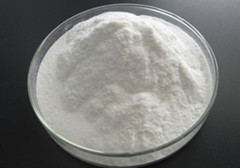
What is Microcrystalline cellulose (C6H10O5)n
Microcrystalline cellulose (MCC) has the formula (C6H10O5)n, the same as cellulose. It is purified, partially depolymerised cellulose: a white, free-flowing powder (CAS 9004-34-6) with…
-
Microcrystalline Cellulose Specification: JECFA Food-Grade Tests
JECFA food-grade specification for microcrystalline cellulose (INS 460(i)): assay, loss on drying, pH, sulfated ash, soluble substances, starch, lead.
-
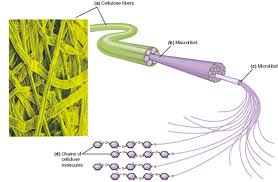
MCC as Wet Granulation Filler
MCC as Wet Granulation Filler : MCC is one of the very few types of filler with water insoluble yet hydrophilic properties with swelling…
-
Microcrystalline Cellulose as a Directly Compressible Filler
MCC as Directly Compressible Filler: MCC is the most compressible of all the direct compression fillers and has the highest dilution potential and capacity,…